The argument gets the problem right and part of the answer wrong. Feeds now show people content they didn't choose, in short bursts and in no set order. Memory research supports building a brand from consistent cues that any single post can call up. The evidence doesn't support dropping stories. The strongest social brands all use a recurring character with a running story.
Here is the version that holds up. People still want stories, but they rarely meet a brand at the start of one. So build a brand world with a clear position, famous assets, and recurring characters, and make every post work on its own.
Evidence strength at a glance
The argument says This is the "post-social" era, "people don't need stories anymore," and a brand is now a mosaic of fragments held together by a "vibe."
Each row tests one part of the argument. Strong means primary or peer-reviewed data that points one way. Moderate means good support with real gaps. Weak means mostly vendor surveys or case studies.
| Claim | Rating | Main gap |
|---|---|---|
| Feeds now run on recommendations | Strong | Meta presented its figures in a court case it had reason to frame. |
| Feed ads get very little attention | Strong | The attention data comes from vendors. |
| A brand is a set of memories | Strong | The consistency data comes from TV ads. |
| Every exposure is the first | Moderate | Famous brands are rarely new to anyone. |
| Brands reach people through many touchpoints | Moderate | Google still handles most searches. |
Friends fill 7% of Instagram time
The argument says "This is the post-social era." Feeds no longer show mostly posts from friends.
The claim holds for public feeds. At a 2025 US antitrust trial, Meta and TikTok both showed how little time people now spend on posts from friends (Nieman Lab, Fast Company).
Friends' content keeps shrinking as a share of time spent
Show the numbers
| Two years earlier | 2025 trial chart | |
|---|---|---|
| 22% | 17% | |
| 11% | 7% | |
| TikTok Friends tab | n/a | ~1% |
The shift is unlikely to reverse. In a 2023 test, Meta showed people more posts from friends, and they spent less time in the app (Fast Company).
Brands feel this as lost reach. Socialinsider put average organic engagement on Facebook brand pages at 0.15% in 2025 (Socialinsider). Treat that as a rough guide, because it's a vendor figure.
Canada shows how much the platform decides. After Meta blocked news in Canada in August 2023, news outlets lost 85% of their engagement there. People kept using the apps anyway (Media Ecosystem Observatory).
Two cautions apply. Meta had a reason to play down friend content, because its defence was that it competes with TikTok and YouTube. People also still share, but they now share in private messages (Business Insider via Yahoo News). Content worth sending to a friend still travels.
Feed ads get about 1.6 seconds
The argument says "Storytelling only makes sense in a linear environment." In a feed, people give an ad too little attention for a story to land.
The attention gap is real. Eye-tracking data shows that a feed ad gets a small fraction of the attention a TV spot gets (SRH).
What happens in those seconds decides the result. A 2025 study by VCCP and Amplified found that a short glance can build memory when the ad shows strong brand cues (Amplified).
So a story that saves the brand for the end loses most viewers before the brand appears. People still give hours to videos and podcasts they chose. They give 1 to 2 seconds to ads they didn't choose.
The attention figures come from companies that sell attention measurement, so treat the exact numbers with care.
The strongest theory behind the vibe
The argument says "A vibe is enough." A brand is the set of feelings and cues people build up across many moments.
Memory research backs the first half of this claim. Kevin Keller's 1993 model describes a brand as a network of associations in memory (Keller 1993). Ads add to that network, and so do word of mouth, store visits, and other people. A Reddit comment and a TV spot feed the same memories.
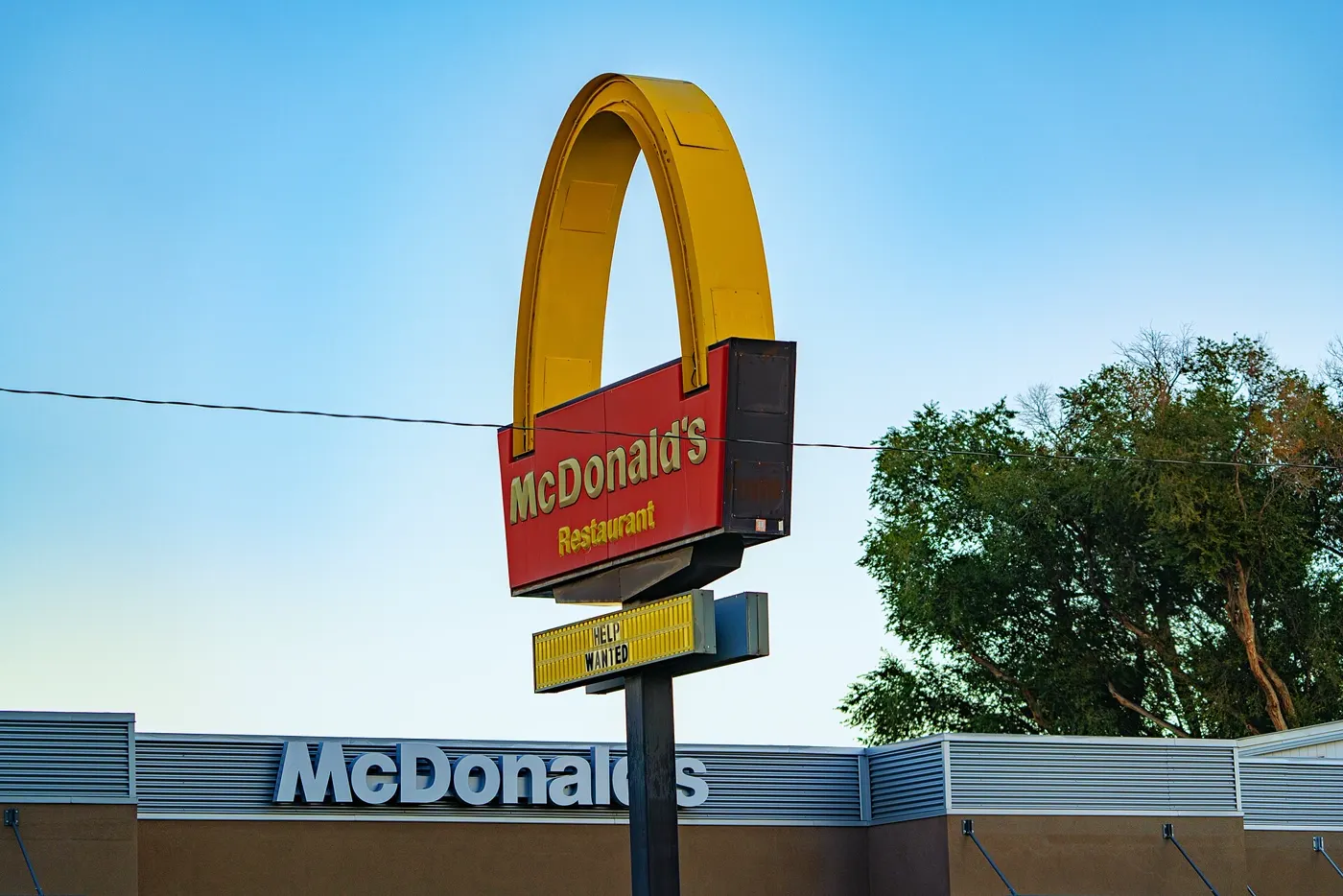
Distinctive assets keep those memories fresh. The Ehrenberg-Bass Institute finds that brands grow by reaching light buyers with cues that are famous and unique, such as McDonald's golden arches. It warns that inconsistent colours, fonts, and logos weaken those cues (Ehrenberg-Bass).
Consistency pays. An IPA and System1 study of over 4,000 ads found that the most consistent brands produced 27% more very large brand effects (IPA).
A vibe alone falls short, though. That study counted a stable brand position and creative idea as part of consistency, so it measured more than a shared look. Kantar reported in July 2025 that 94% of a brand's pricing power is explained by how meaningfully different people see it (Research World). Cues build recognition. Pricing power needs a clear position behind them.
True for sequence, overstated for awareness
The argument says "Each moment may be the consumer's first exposure." Every post must make sense to someone who has seen nothing before it.
The safe version is narrower: no post can rely on the one before it. Feeds show brand posts to people who don't follow the brand and missed the last post. Most of a brand's buyers are light buyers who see little of it (Contagious on How Brands Grow).
Branding has to show up fast. A June 2026 study by System1, TikTok, and WPP Media tested 1,217 TikTok ads in eight markets. Creator ads that said the brand name in the first 2 seconds lifted brand recognition by 45.4%, and saying and showing it lifted recognition by 53.1%. Only 61% of creator ads used any brand cue in that time (Mi3).
McDonald's UK shows how one glance can carry a brand. Its "Raise Your Arches" campaign replaced the logo with a raised-eyebrow gesture. WARC reports £43.7 million in extra revenue and market share up from 24% to 26.5% (WARC).
For a brand as well known as McDonald's Canada, a true first encounter is rare. Memory also fades without repetition. Brands that stop advertising for a year lose 16% of sales on average (Ehrenberg-Bass). Each post has to work alone and also add to the posts before it.
Search spreads out, Google still leads
The argument says People now meet brands through search, creators, comments, and forums that brands don't control.
This claim is accurate, but the popular social search numbers overstate it. In 2022, a Google executive said almost 40% of young people look for lunch spots on TikTok or Instagram instead of Google (Fortune). That figure covers only US 18 to 24 year olds and comes from unpublished data. Across 41 sites, Google still handled 73.7% of US desktop searches in late 2025 (SparkToro).
Young Canadians spread across many platforms at once.
Canadians 16+ with an account, by age
Show the numbers
| Platform | All ages | 16 to 24 | 25 to 44 | 45+ |
|---|---|---|---|---|
| 83% | 75% | 89% | 82% | |
| YouTube | 70% | 90% | 84% | 57% |
| 65% | 90% | 81% | 50% | |
| TikTok | 37% | 67% | 51% | 22% |
| Snapchat | 31% | 71% | 45% | 13% |
| 27% | 51% | 42% | 14% |
Reddit is a large touchpoint that brands don't own. Most of its daily visitors are logged out, which means they arrive from search (Reddit Q3 2026 results). Reddit is also the site AI tools cite most often in their answers (Press Gazette). So a Reddit thread about a menu item can shape the answer someone reads on Google.
People trust peers more than brands. Edelman found that 80% of people trust brand information from "customers like me," against 58% for influencers (Edelman). In Canada, 73% see brand employees as credible spokespeople (Media in Canada).
Comments now work as a channel too. Taco Bell's head of social says, "The comment section is a brief" (Marketing Brew).
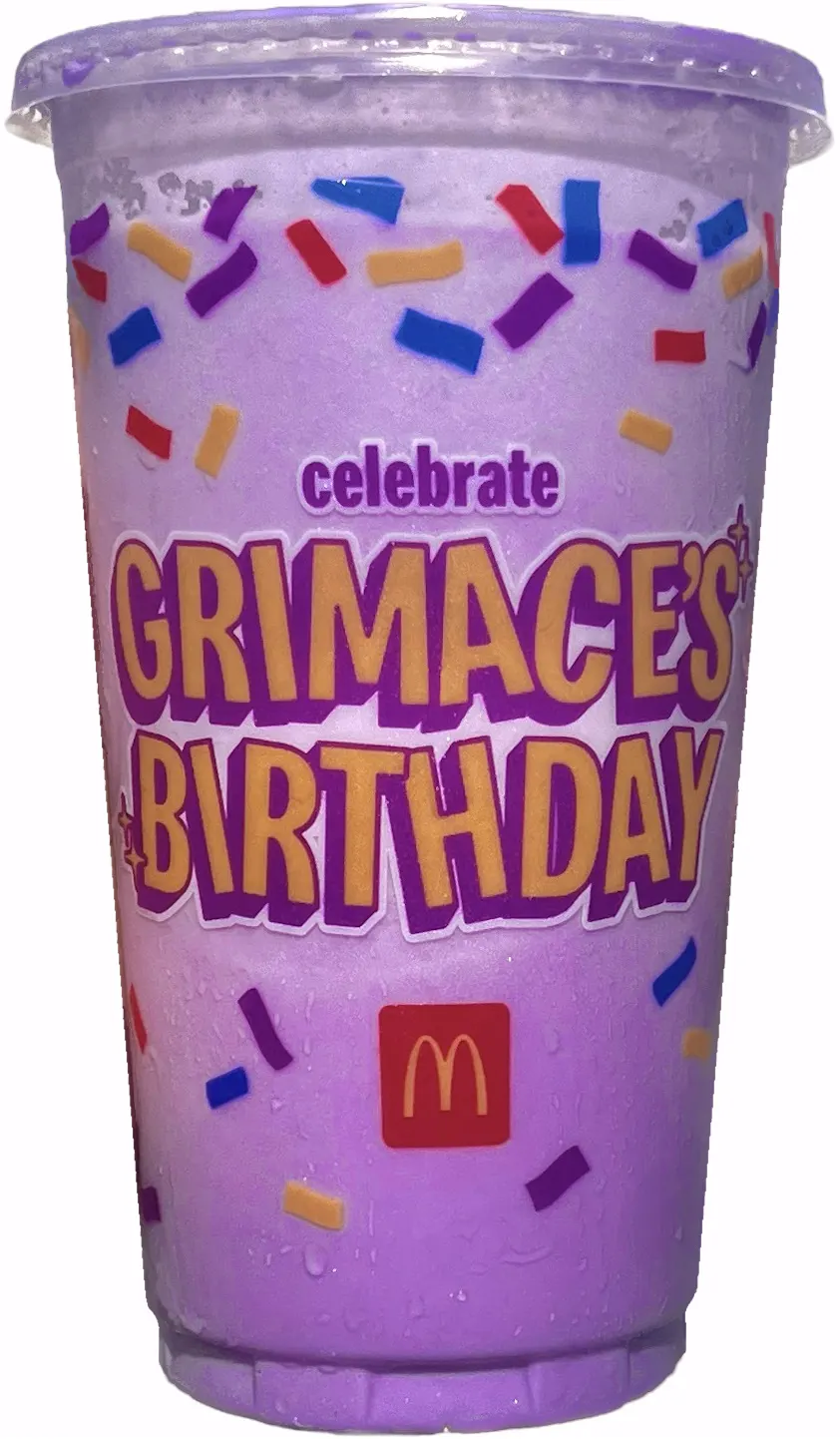
The Grimace Shake shows a brand moment written mostly by fans. In 2023, a trend of mock-horror videos passed 3 billion TikTok views, and McDonald's posted only one reply (Marketing Dive). US sales rose that quarter, but McDonald's didn't link the rise to the campaign.
Stories still persuade, and the best fragments use them
The argument says "People don't need stories anymore."
The evidence points the other way. Peer-reviewed studies find that stories change beliefs and behaviour in every medium tested, including short formats (Penn State). The effect is modest but consistent.
Characters do most of the work. System1 finds that characters, music, and emotion drive larger business effects (System1 Look Out deck). In 2019 IPA data, campaigns with a recurring character were 37% more likely to grow market share (MarTech Series). System1's January 2026 review of six Super Bowls also found that ads with a recurring character scored higher on brand recognition, yet only 10% of the ads used one (Forbes).
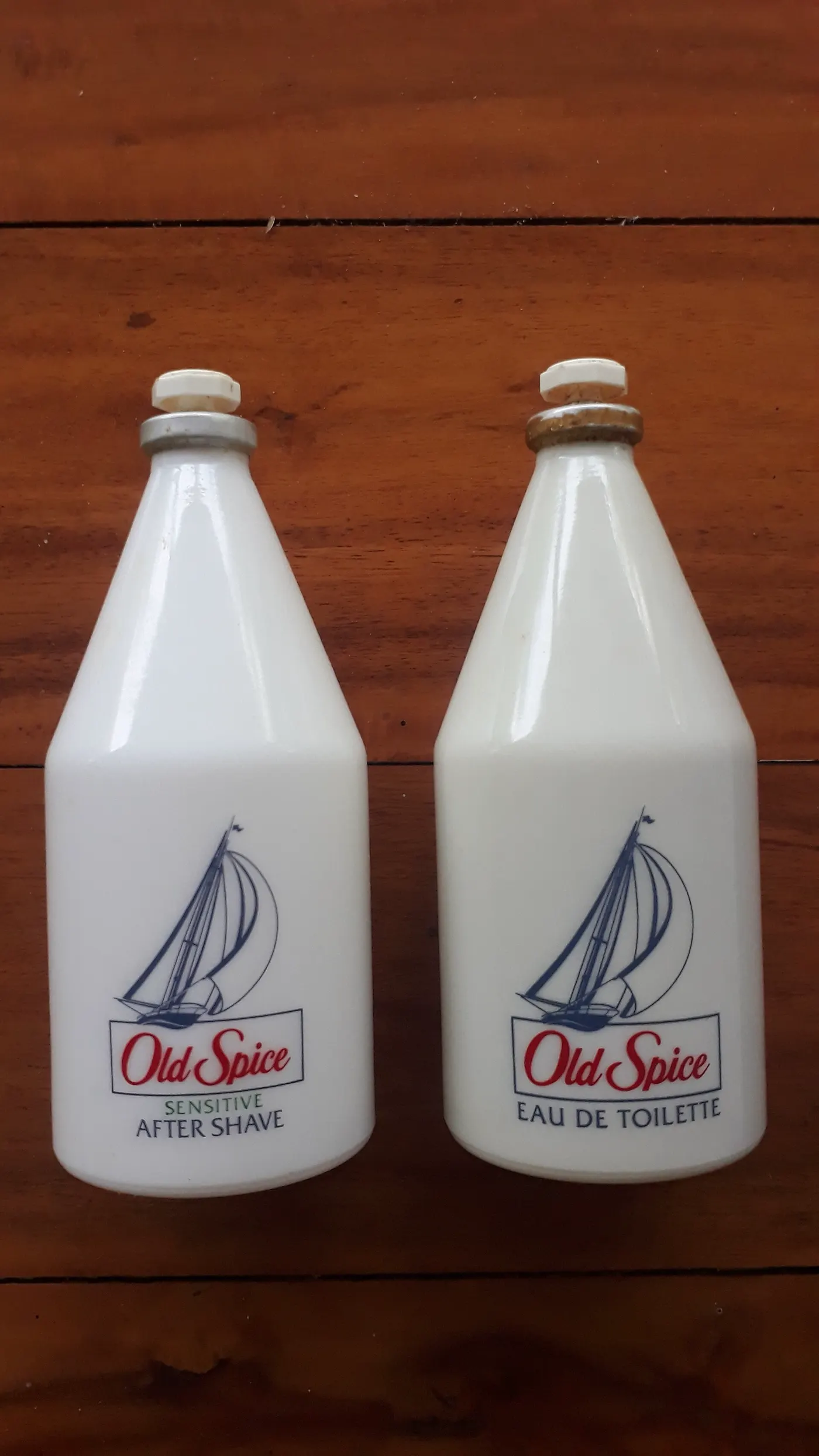
The best social cases depend on years of story. Duolingo's "Death of Duo" drew 144 million views because people already knew the owl (PR Daily). In 2010, Old Spice turned one TV character into a run of personal reply videos (Effie). Grimace is a long-standing McDonald's character.
People also look for story in short formats. Short drama apps, built on 1 to 2 minute episodes, earned about US$700 million in early 2025 (Sensor Tower).
The story evidence has limits too. Most of it comes from TV ads, and no study compares a story-led social program with a set of unconnected posts.
A story world told in fragments
The argument says Brands should build a mosaic of fragments held together by a vibe, because "people don't need stories anymore."
The argument holds up when you pitch it as a story world told in fragments. Feed data shows that the setting has changed. Memory research shows why consistent cues let any single post call up the brand. The best cues, such as Grimace, Duo, and the arches, carry years of story.
Use this wording to keep each claim defensible:
| The argument says | Say this instead |
|---|---|
| "People don't need stories anymore" | "People don't need every piece to be a complete story." |
| "Storytelling only makes sense in a linear environment" | "The 30 to 60 second hero film fits linear media best." |
| "This is the post-social era" | "Public feeds are now recommendation media." |
| "Each moment may be the consumer's first exposure" | "No moment can rely on the one before it." |
| "A vibe is enough" | "A consistent vibe built on a clear position." |