The evidence supports most of the argument's diagnosis and works against its headline. Platform data shows feeds now run on recommendation. Meta's own trial evidence puts friends' content at 7% of Instagram time and 17% of Facebook time, and a feed ad gets about 1.6 seconds of active attention, against 13.8 seconds for a 30-second TV spot. Memory research, from Keller's associative network model to the Ehrenberg-Bass work on distinctive assets, backs the idea that a brand is a set of associations built across many exposures. That is a fair reading of "vibe."
The claim that "people don't need stories anymore" fails the same test. Meta-analyses find that narratives persuade in every medium tested. System1 and IPA data link characters, emotion, and recurring devices to larger business effects. The strongest social cases in the notes (Grimace, Duolingo's Duo, Old Spice) each ride on a character with a running storyline. On creative volume, the evidence favours more distinct ideas over more copies of one idea. The case for delegated approval rests on case studies and vendor surveys, and nobody has run a controlled test.
Here is the version that will hold up at Cossette. People still want stories, but they rarely meet a brand at the start of one. So build a brand world with a stable position, famous assets, and recurring characters that any single fragment can open onto, and govern that system instead of each post.
Evidence strength at a glance
Each claim is rated on the quality and independence of its sources. Strong means primary or peer-reviewed data pointing one way. Moderate means solid support with real gaps or conflicting data. Weak means mostly vendor surveys, case studies, or inference.
| Claim | Rating | Best support | Main weakness |
|---|---|---|---|
| Post-social algorithmic feeds | Strong | Meta and TikTok trial evidence, Meta earnings, Mosseri | Meta had a litigation motive. Sharing moved to DMs and didn't disappear. |
| Fragmented feeds and attention | Strong on the attention gap, moderate on the end of linear | Amplified eye-tracking, CRTC, Nielsen | Attention data is vendor-sourced. Long-form video is growing. |
| Brand as memory structures | Strong | Keller (1993), Ehrenberg-Bass, IPA and System1 consistency study | Consistency data is from TV. Positioning and difference still drive pricing. |
| Every exposure as the first | Moderate | Light-buyer research, misattribution data, Raise Your Arches | Overstated for famous brands. Frequency still builds memory. |
| Touchpoint sprawl, social search, creators | Moderate | Reddit filings, SparkToro, Leger, Edelman | Google still dominates search. Headline social-search stats are soft. |
| Creative volume and velocity | Moderate for diversity, weak for volume | Meta Andromeda, TikTok guidance, Unilever | No study shows more posts beat fewer, stronger ideas. |
| Org models and coherence infrastructure | Moderate in cases, weak in data | Duolingo, Ryanair, McKinsey agile pods | Vendor surveys and anecdotes. The approvers in the cases are specialist leads. |
Friends fill 7% of Instagram time
The best evidence comes from the platforms themselves, in court. In its defence at the 2025 FTC antitrust trial, Meta showed a chart putting time spent on friends' content at 17% on Facebook, down from 22% two years earlier, and 7% on Instagram, down from 11% (Nieman Lab on The New Yorker). A TikTok executive testified that about 1% of TikTok time goes to its Friends tab (Fast Company). Meta's post-trial brief added that a 2023 experiment, which raised friend content in feeds by 20%, cut time spent, while more short-form video raised it (Fast Company). Friend content loses on the metric the platform optimizes, so the shift is unlikely to reverse.
Friends' content keeps shrinking as a share of time spent
Show the numbers
| Two years earlier | 2025 trial chart | |
|---|---|---|
| 22% | 17% | |
| 11% | 7% | |
| TikTok Friends tab | n/a | ~1% |
The direction was public before the trial. In July 2022, Mark Zuckerberg said about 15% of Facebook feed content came from accounts users don't follow, and that this share would more than double by the end of 2023 (Fortune). Meta then stopped publishing the share and reported the effect instead. In Q3 2025, recommendation improvements drove 5% more time on Facebook and 10% more on Threads, and Reels passed an annual revenue run rate of US$50 billion (Meta Q3 2025 prepared remarks). Instagram head Adam Mosseri describes the mechanics plainly. Someone who follows 200 accounts, with one in 10 posting, leaves about 20 items to show, so the feed has to recommend (Business Insider via Yahoo News).
For brands, follower count now says little about reach. Socialinsider analysed about 25 million posts from about 139,000 Facebook brand pages and puts average organic engagement in 2025 at 0.15%. Pages with 100,000 to 1 million followers average roughly 620 to 1,150 views per post (Socialinsider). This is a vendor benchmark with inconsistent methodology labels, so treat it as directional.
Canada ran a natural experiment. After Meta blocked news in August 2023, Canadian news outlets lost 85% of their Facebook and Instagram engagement, and people kept using both platforms (Media Ecosystem Observatory). A whole content category disappeared and usage held, which suggests platform policy decides what appears in Canadian feeds far more than audience choice does. The same study found 36% of Canadian Meta users still said they saw news there, and screenshots of news articles in political Facebook Groups roughly tripled. People route around the algorithm through private and semi-private sharing.
Any deck should carry two cautions. Meta had a motive to play down friend content, because its defence was that it competes with TikTok and YouTube. The numbers are Meta's own, but Meta chose how to present them. And "post-social" describes public feeds. People still share: Mosseri says "normal people simply aren't sharing as much in public anymore," and that far more photos and videos go into DMs than into Stories (Business Insider via Yahoo News). Word of mouth moved into private channels that brands can't see or target. The practical answer is content worth forwarding to a friend, which is still social behaviour.
Feed ads get about 1.6 seconds
Eye-tracking data from Amplified Intelligence, charted by the agency SRH through WARC, shows a 30-second TV spot earns 13.8 seconds of active attention, a 15-second non-skippable YouTube ad about 4.9 seconds, and a Facebook in-feed ad about 1.6 seconds (SRH). The source doesn't state the data year, and Amplified sells attention measurement, so flag both.
What works inside those 1.6 seconds matters more. A May 2025 study by VCCP Media and Amplified found that 85% of digital ads get under 2.5 seconds of active attention. It also found that 1.5 seconds of genuine attention can encode memory when the ad uses strong distinctive brand assets, and that well-branded assets were 2.5 times more effective than weak ones (Amplified). The sample was 72 video ads from eight brands, including Domino's. Dentsu's attention work points the same way: ads that show brand cues early build recall, and ads that delay the brand need longer viewing to catch up (Dentsu). TikTok says over 63% of its highest click-through videos show the key message or product in the first 3 seconds (TikTok creative tips). This is the strongest direct support for the argument's core mechanic. A story that saves the brand for act three loses most feed viewers in act one.
The Canadian shift away from linear TV is well documented. The CRTC reports that traditional TV viewing has fallen 5.9% a year since 2021 while streaming grew 18.4% a year. Cable and satellite penetration fell to 58% in 2025, 33% of households are streaming-only, and Canadians aged 12 to 17 now watch about 2 hours a week more online than traditional TV (CRTC). Convergence Research counted 46% of Canadian households with no traditional TV subscription at the end of 2024 and forecasts 54% by 2027 (BNN Bloomberg). In the US, streaming reached 49.6% of TV time in August 2026, and YouTube alone took 15.8%, close to all of broadcast at 17.5% (Nielsen).
Canadian television is moving to streaming
The "no ad-break safety" point has partial support, because the ad break was never fully safe. A 2021 sponsored Digiday piece citing Facebook data says over 78% of people shift their attention to their phone when commercials start (Digiday). That figure is older and sponsored, and the source study isn't named. The idea of a feed without context goes back to "context collapse" (Marwick and boyd, 2011), which describes social platforms merging many audiences into one stream (Microsoft Research). The adjacency data is milder than the metaphor. A Stagwell and HarrisX study of 49,990 US adults found Gen Z purchase intent for ads next to war, inflation, and crime news at 65% to 67%, against 69% next to sports (Stagwell). One bad neighbour costs little. The bigger problem builds up over time, as the brand gets assembled from many mixed, low-attention fragments.
The picture has complications. The 30-second TV spot still earns the most attention-seconds per 1,000 impressions of any format charted (5,937), and per attention-second, Facebook ads cost about five times as much as TV (SRH). "Streaming" in Nielsen's data includes ad-supported long-form, where 15 to 30 second spots still run. People watched over 700 million hours of YouTube podcasts on TVs in October 2025, nearly double the year before (Bloomberg). Attention is selective: people give hours to content they chose and 1 to 2 seconds to brand messages they didn't.
The strongest theory behind the vibe
This is the best-supported part of the argument, and it rests on decades of theory. Keller's 1993 brand equity model defines brand image as "perceptions about a brand as reflected by the brand associations held in consumer memory." He describes memory as a network of nodes and links, with the brand as one node (Keller 1993). Keller lists the sources of those associations as direct experience, company communication, "word-of-mouth and other social influences," and inference. A Reddit comment, a creator video, and a store visit all feed the same network as a TV spot does. "Vibe" is a fair plain-language label for that network.
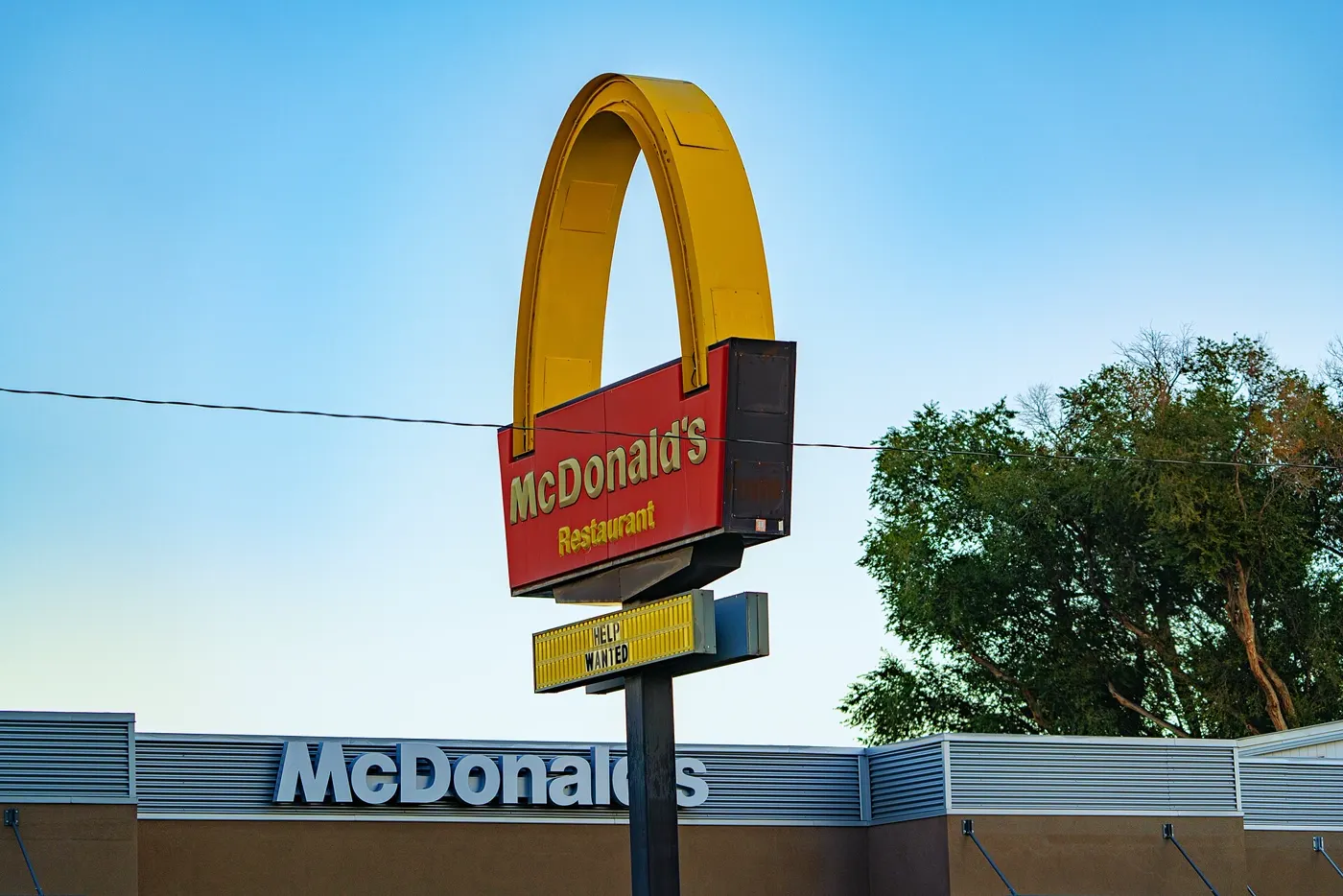
Ehrenberg-Bass research adds the commercial logic. Growth depends on reaching light buyers, and distinctive assets that are famous and unique refresh memory, with "uniqueness most important." Byron Sharp's colleague Jenni Romaniuk warns that "inconsistencies in colours, fonts, logos and the like are the enemy of distinctive asset building," and cites McDonald's Golden Arches as an asset that brings the brand to mind without a written name (Ehrenberg-Bass). A secondary summary of Romaniuk's work adds that wider memory networks grow over time through varied executions (Marketing Architects). In Ehrenberg-Bass terms, the mosaic is many different executions held together by constant codes.
The consistency data is recent and large. The IPA and System1 "Compound Creativity" study (October 2024) analysed over 4,000 ads from 56 brands. The most consistent brands produced 27% more very large brand effects, and the top 20% most consistent brands produced 28% more very large business effects (IPA). The most consistent brands averaged 3.3 stars on System1's scale, against 2.6 for the least consistent. System1's own write-up of the same study reports different figures ("one full Star" and a quarter point a year), so cite the IPA page (System1). Binet and Field's IPA analysis adds that emotional campaigns are almost twice as likely to produce top-box profit growth, and that by three years, 43% of emotional campaigns show very large effects against 23% of rational ones (IPA deck).
Consistent brands get bigger effects
Three complications sharpen the claim. The consistency data covers TV, so applying it to social is an extrapolation. The IPA consistency score also counts brand positioning and creative idea as foundations, and System1's "showmanship" factor includes humour, character, and story, so consistency in that study means more than a shared colour palette. Finally, Mark Ritson argues for "Bothism," which pairs distinctive assets with "a clear, tight brand position" (MiniMBA). Kantar's BrandZ data on 40,000 brands links relative uniqueness to willingness to pay more, and Kantar concludes that distinctiveness is "one type of difference, not a substitute for it" (Kantar). A vibe made only of codes builds recognition. Pricing power needs a position underneath it.
True for sequence, overstated for awareness
Support comes from light-buyer research and branding data. Most of a brand's buyers are light, occasional buyers, and "attracting these light buyers is where the battle for market share is won or lost" (Contagious on How Brands Grow). Algorithmic feeds serve brand posts to people who don't follow the brand and didn't see the last post. Kantar's Link database shows that 5% of an ad's length creates 45% of its recall, and that people often remember an ad but credit it to the category instead of the brand (Kantar). Kantar also warns that "weak ads can actually benefit competing brands" (Kantar).
McDonald's UK "Raise Your Arches" is the clearest QSR proof that a single glance can carry a brand. Leo Burnett London replaced the Golden Arches with a raised-eyebrow gesture across film, outdoor, owned media, and a social filter. WARC reports brand love at an all-time high of 43%, £43.7 million in incremental revenue, and market share up from 24% to 26.5% (WARC). The campaign won a Silver Lion for Creative Effectiveness at Cannes in 2024 (LIONS).
For brands the size of McDonald's Canada or Walmart Canada, a true first encounter is rare, so the literal claim overreaches. The defensible point is narrower: no single exposure can count on the viewer having seen the one before it, or knowing the campaign setup. Memory also decays. Faris Yakob argues that reach-only planning underweights frequency, because "building memories requires repetition, whereas refreshing them is easier" (WARC). Ehrenberg-Bass data shows that brands that stop advertising for a year or more lose 16% of sales on average after one year and 25% after two (Ehrenberg-Bass). Each tile has to work alone and also add to the tiles before it.
Search spreads out, Google still leads
The argument's list of touchpoints is accurate, but the headline social-search statistics are softer than they sound.
The most cited admission comes from Google. In July 2022, Google executive Prabhakar Raghavan said internal data showed "almost 40% of young people, when they are looking for a place for lunch, they don't go to Google Maps or Search. They go to TikTok or Instagram" (Fortune). It's a perfect QSR quote. It's also four years old, comes from unpublished internal data, and covers only US 18 to 24 year olds looking for lunch. A 2026 Adobe survey found 49% of US consumers had used TikTok as a search engine, up from 41% in 2024, and that only 4% of Gen Z rely on TikTok more than Google, down from 8% (Adobe Express). SparkToro and Datos counted search across 41 sites, including Amazon, YouTube, Reddit, Instagram, and ChatGPT. Google still held 73.7% of US desktop searches in Q4 2025, with social sites at about 5.5% (SparkToro). That data is desktop-only and likely understates mobile social search. Rand Fishkin's line frames it well for a deck: "Search is a behavior, not a channel."
Share of US desktop searches across 41 sites, Q4 2025
- 73.7% Google
- ~5.5% Social sites
- 20.8% Every other tracked site
Show the numbers
| Value | |
|---|---|
| 73.7% | |
| Social sites | ~5.5% |
| Every other tracked site | 20.8% |
Canadian data tells the same story. Leger's DGTL 2026 study (3,561 Canadians) found 95% use search engines weekly. Only 12% go to AI tools first, rising to 26% of 16 to 24 year olds (Leger DGTL 2026). Young Canadians spread across many platforms at once, as Leger's account data shows.
Canadians 16+ with an account, by age
Show the numbers
| Platform | All ages | 16 to 24 | 25 to 44 | 45+ |
|---|---|---|---|---|
| 83% | 75% | 89% | 82% | |
| YouTube | 70% | 90% | 84% | 57% |
| 65% | 90% | 81% | 50% | |
| TikTok | 37% | 67% | 51% | 22% |
| Snapchat | 31% | 71% | 45% | 13% |
| 27% | 51% | 42% | 14% |
Reddit is the clearest case of a touchpoint brands don't own. In Q3 2026 it reported 130.3 million daily active uniques, of whom 76.8 million were logged out, so most daily visitors arrive from search (Reddit Q3 2026 results). Google licenses Reddit content for about US$60 million a year (CJR), and Profound's data ranked Reddit the most cited domain in AI-generated answers in the three months to June 2025 (Press Gazette). A Reddit thread about a menu item can shape the AI answer someone reads on Google without them ever visiting Reddit. One caution: Reddit's US daily users fell 2% year on year, so its growth is now mostly international.
Reddit daily active uniques, Q3 2026 (millions)
- 76.8M Logged out
- 53.5M Logged in
Show the numbers
| Value | |
|---|---|
| Logged out | 76.8M |
| Logged in | 53.5M |
Creators and peers carry more trust than brands. US creator ad spend reached a projected US$37 billion in 2025, growing about four times faster than total media (IAB). Edelman's 2025 brand trust study, which covers 15 countries including Canada, put trust in brand information at 80% for "customers like me" and 58% for influencers (Edelman). Canada leans further toward peers. Canadians named influencers as the top source of misleading information online (54%) in the Digital News Report 2025 (Université Laval). Only 40% of Canadians say it's important for brands to provide community, against 51% globally (Edelman). And 73% of Canadians see brand employees as authentic, credible spokespeople (Media in Canada on Leger DGTL 2025). For Canadian QSR and retail, the strongest mosaic tiles likely come from customers, staff, and reviews, with paid influencers as one input among several.
Comments are now a touchpoint in their own right. The Sprout Social Index 2025, which surveyed consumers in the US, UK, Canada, and Australia, found 73% will buy from a competitor if a brand doesn't respond on social, and 40% find brands joining trends embarrassing (Sprout Social Index 2025). Taco Bell's head of social puts it this way: "The comment section is a brief" (Marketing Brew). Podcasts also hit a record, with 58% of Americans 12 and older listening in the past month in early 2026 (Edison Research via SSRS). The notes found no Canadian podcast data.
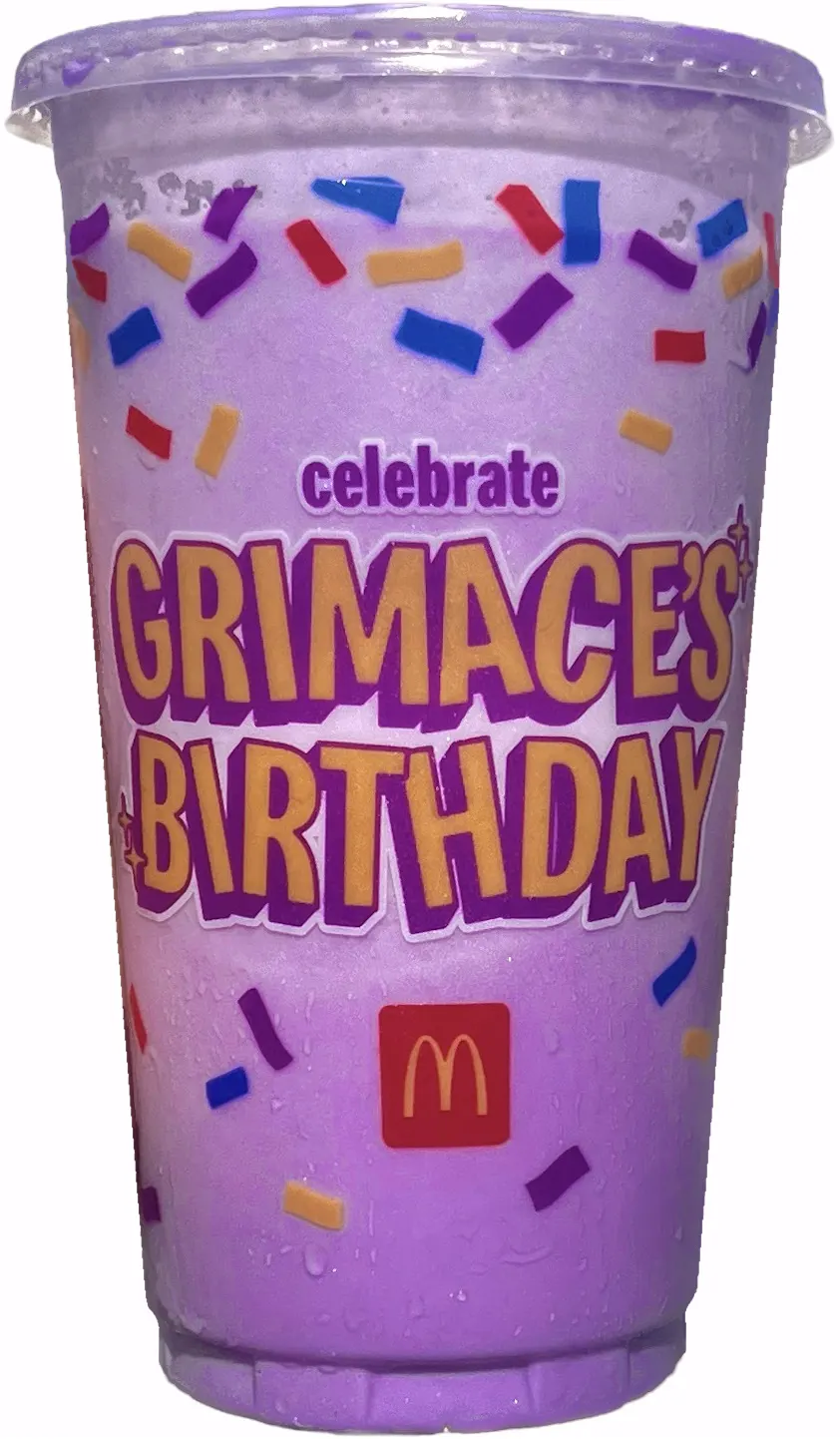
The Grimace birthday campaign (US, 2023) is the QSR example of a brand impression written mostly by creators. A fan trend of mock-horror "deaths" took it past 3 billion TikTok views, and the CFO called it "one of our most socially engaging campaigns of all time" (Marketing Dive). McDonald's posted only one response, to avoid steering fan content (Nation's Restaurant News). US comparable sales rose 10.3% that quarter, but McDonald's didn't isolate the campaign's share of that growth, so don't claim causation.
Distinct ideas pay, copies don't
Meta rebuilt its ad retrieval system, called Andromeda, to handle a much larger creative pool. Its engineering team expects "the number of ads creatives in Meta's recommendation systems" to "grow significantly" (Meta Engineering). A Meta business post from April 2025, quoted by practitioner Jon Loomer, says "the focus has shifted from niche targeting to creative diversification as the best lever to find the most relevant audiences" (Jon Loomer). Meta's original post wasn't retrieved, so cite it as a secondary quote. In September 2026 a Meta spokesperson advised advertisers to "diversify your creative, test, and let the system optimize" (Marketing Brew). Agency staff report that Meta treats ads with the same look or opening hook as the same ad, though Meta hasn't confirmed this. TikTok's help centre asks for 3 to 5 clearly different creatives per ad group and a steady supply of fresh work, with no fixed fatigue window (TikTok Ads help).
What the platforms ask for is diversity, and quality still drives most of the result. NCSolutions' review of nearly 450 studies (2023) attributes 49% of sales lift to creative and 11% to targeting (Westwood One). That figure reaches us through a secondary blog.
Share of sales lift, across nearly 450 studies
- 49% Creative
- 11% Targeting
- 40% Everything else
Show the numbers
| Value | |
|---|---|
| Creative | 49% |
| Targeting | 11% |
| Everything else | 40% |
Generative AI raises output faster than quality. A WARC study commissioned by TikTok (July 2026, 400 marketers) found 88% report higher creative volume since adopting generative AI, while only 45% report a significant gain in quality, and 40% say AI output relies too much on generic styles (PPC Land). Unilever's beauty AI studio is the strongest brand case for volume with coherence. It produces about 400 assets per product, against about 20 per campaign before, 30% faster, and reports view-through and click-through rates doubling. A tool called BrandDNAi enforces brand guidelines for each brand and market (Digiday). That rules engine is a working example of the argument's "coherence infrastructure."
Platform-native work beats resized TV, though strong TV ideas adapt well. A 2022 MAGNA and TikTok study found high-quality repurposed TV ads lifted memorability 37%, and reformatting to vertical lifted purchase intent 8%. Inauthentic native ads were 19% less effective at driving purchase intent (MAGNA). Taco Bell's rule is shorter: "We don't do cut-downs" (Marketing Brew).
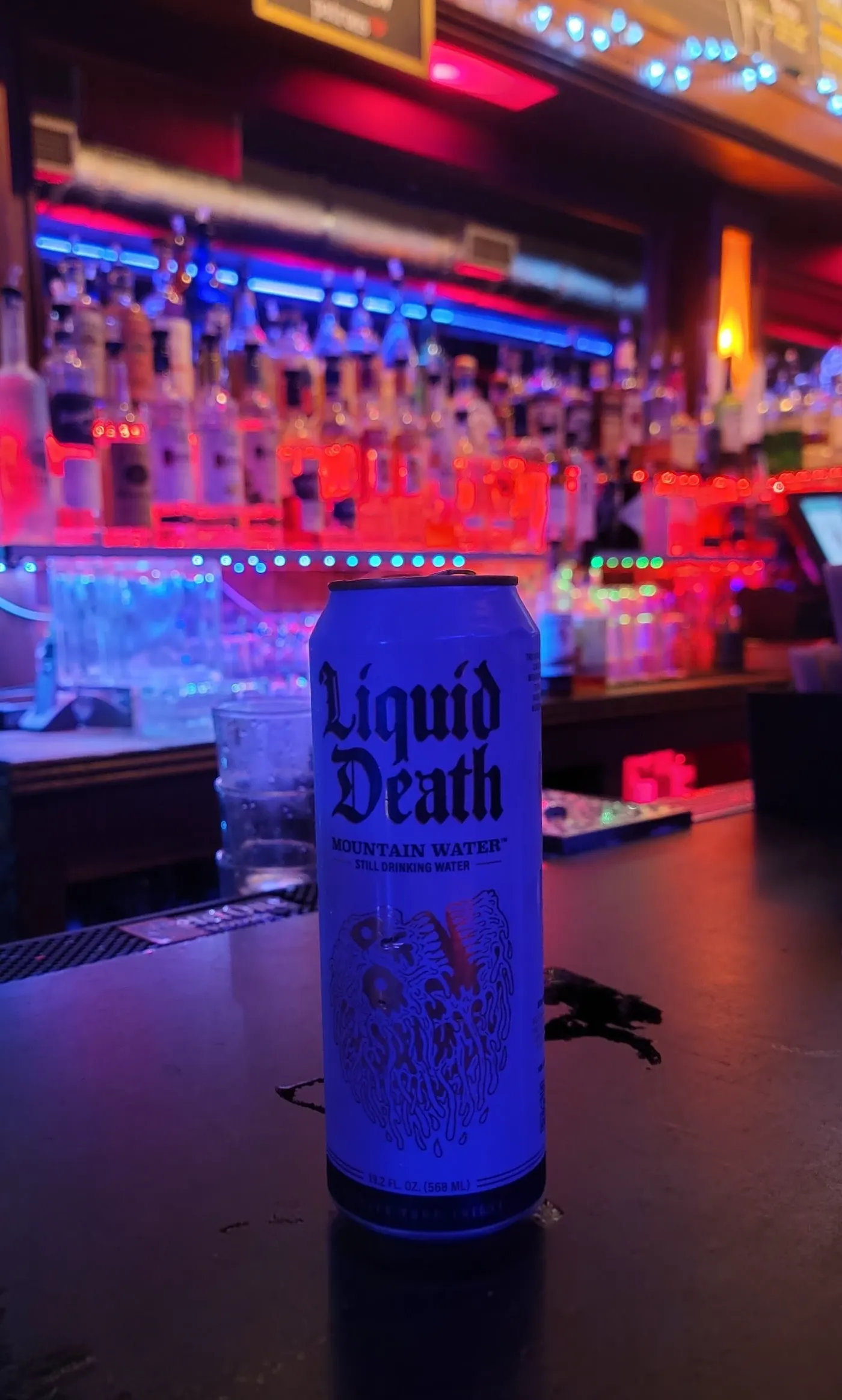
Some evidence cuts the other way. Liquid Death, a brand known for social, says "We're not doing volume play," and publishes a handful of pieces a month (Marketing Brew). Binet and Field found short-term-focused campaigns rose from 8% of IPA entries in 2006 to 25% in 2016, while very large business effects fell after 2012 (System1 summary). The data is older, but the warning still fits: volume tuned to platform return metrics drifts toward short-term activation. Duolingo sits in the productive middle. Its first TikTok breakout was its 39th post, and the team then scaled that format around one character (Sprout Social).
Delegated approval works in cases, data is thin
The best-documented fast social teams share one pattern. Senior leaders and legal set a policy or known limits in advance, and a small team then approves its own posts.
At Duolingo, "the people creating the content are the approvers." Legal, PR, and leadership are consulted on risk but don't sign off individual posts, and turnaround ran from under an hour to about three hours (Social Studies). Ryanair's head of social says content follows a policy agreed with legal and senior leaders, after which "the line of approval is with me as head of and our social media lead." Its legal team is "there to guide us rather than stop us" (Sprout Social podcast). Wendy's posted tweets without prior approval and reviewed them afterward, according to its CMO in 2018 (Restaurant Dive). McDonald's US runs a "share the pen" approach with two rules, brand safety and creator safety, backed by listening systems (Nation's Restaurant News). Taco Bell keeps agencies for campaigns and an in-house team of nine for reactive posting (Marketing Brew). In Canada, Hydro-Québec's team checks uncertain posts by asking the person beside them, and turns the humour down during widespread outages (CTV News).
Management theory supports the same structure. McKinsey's agile marketing model uses pods of 8 to 12 people, with senior leaders overseeing "lightly, typically once every three or four weeks, supported by automated dashboards," and named legal contacts with response-time agreements (McKinsey). That 2016 article is the closest published match to "seniors monitor the aggregate pattern." Netflix's culture memo says leaders take pride in "how few, not how many, decisions senior leaders make" (Netflix), a useful line for senior staff who see post-by-post approval as their job.
The speed case rests on vendor surveys. Typeface, which sells AI content tools, found 71% of companies with over 1,000 employees need more than a day to approve real-time content, and 27% need more than a week (Marketing Dive press release). Sprout found 27% of consumers say trend participation only works within 24 to 48 hours, and 41% of practitioners fear leaders won't trust them to publish their best-performing content (Sprout Social). Read together, they show a multi-day approval chain misses most trend windows. The stakes for agencies are high: 82% of ANA members had in-house agencies in 2023, up from 42% in 2008, and social is among the services most often moved in-house (MediaPost).
The argument overreaches in two places. The approvers in these cases are heads of social or specialist teams working inside a written policy, and none of the cases show junior staff approving posts. Delegation also doesn't cover every risk. Duolingo's 2025 "AI-first" memo drew a backlash in which negative conversation (41.1%) outweighed positive (24.5%), and the social team could redirect attention but couldn't fix a corporate-level problem (Marketing-Interactive). In Canada, Ad Standards updated its influencer disclosure guidelines in October 2025 to cover AI-generated influencers and AI-altered product images (Gowling WLG). Creator deals, contests, and AI imagery for McDonald's Canada or Walmart Canada need a legal lane. Burnout is a third risk: Sprout's 2023 pulse surveys found 63% of social professionals had experienced burnout in the prior three months (Sprout Social), though they don't publish sample sizes. No independent study links the number of approval layers to social performance.
Stories still persuade, and the best fragments use them
The case against "people don't need stories" is stronger than the case for it. Peer-reviewed meta-analyses find a modest but consistent narrative effect. Braddock and Dillard (2016) found narrative exposure related to beliefs (r = .17), attitudes (r = .19), intentions (r = .17), and behaviours (r = .23), and the medium didn't change the effect size (Penn State). That last finding suggests narrative works in short social formats too. Van Laer and colleagues (2014) pooled 132 effect sizes and found that being transported into a story reduces critical thoughts (City, University of London). Check the exact coefficients against the published table before quoting them.
System1's data links the raw material of narrative to business results. IPA video campaigns in the top 20% for "right-brain" features (characters with agency, dialogue, melody, a sense of place) averaged 2.0 very large business effects, against 1.2 for the bottom 20% (System1 Look Out deck). The detail helps a strategist: in System1's correlations, characters, melody, and emotion carry most of the effect, and "one scene unfolding with progression" carries little. Recurring characters, which System1 calls fluent devices, made campaigns 37% more likely to increase market share in 2019 IPA data, yet their use among IPA entries fell from 41% in 1992 to 12% (MarTech Series). That gap is an opening for QSR brands with legacy characters.
Characters pay, and fewer brands use them
Audiences still look for story inside fragments. Short drama apps, built on 1 to 2 minute vertical episodes with cliffhangers, earned about US$700 million in in-app revenue in Q1 2025, nearly four times Q1 2024 (Sensor Tower). TikTok said in 2023 that users spend half their time on videos longer than 60 seconds (Tubefilter), and its creative guidance says almost half of its best-performing auction ads tell emotionally appealing stories (TikTok creative tips). These figures measure consumption and say nothing about ad effectiveness. They do show fragments and stories living side by side.
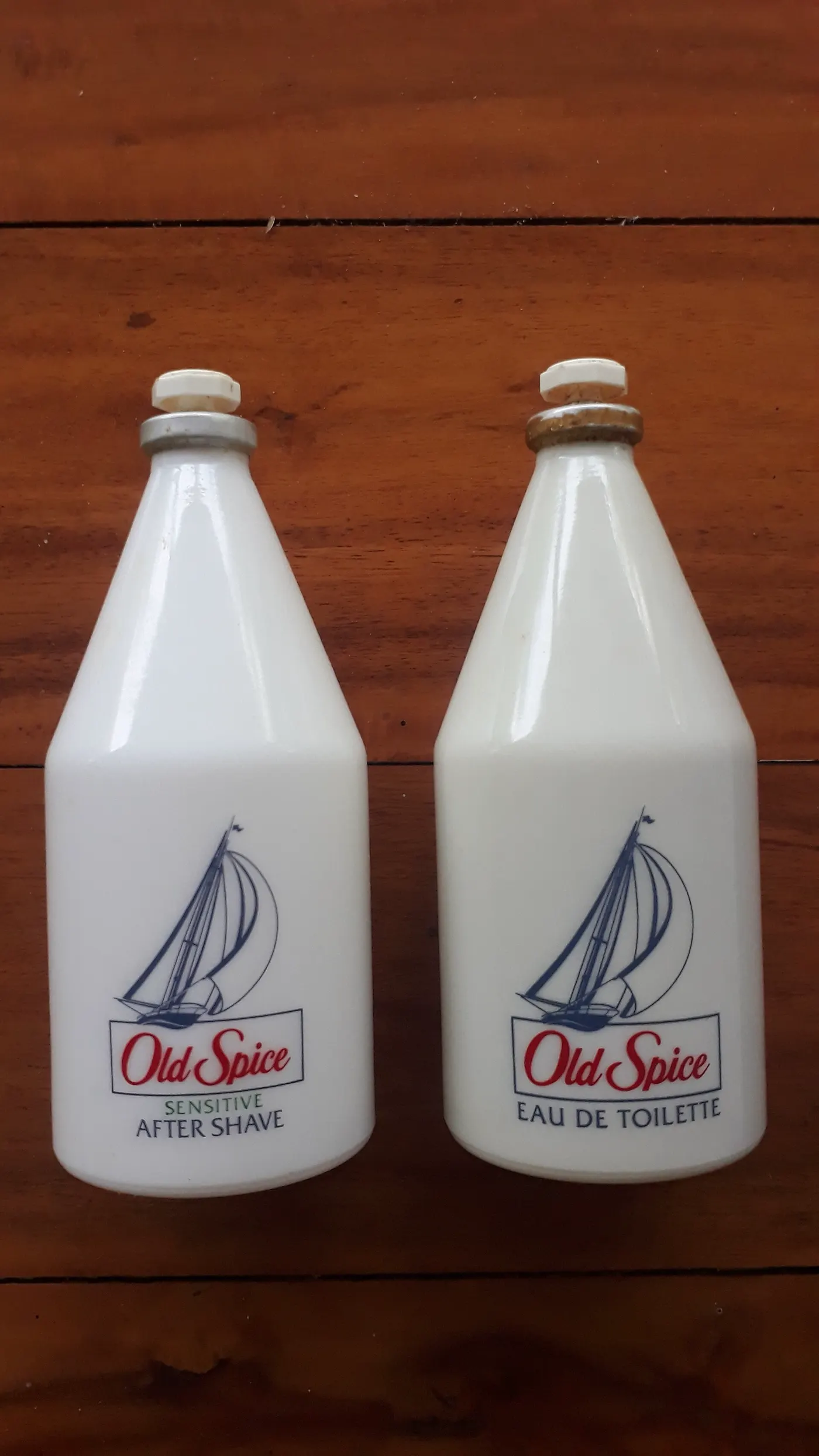
The best social cases depend on narrative equity. Duolingo's "Death of Duo" (February 2025) drew 144 million views on its X announcement (PR Daily), and it worked because years of owl lore made the fragment legible. Old Spice's 2010 campaign started as a TV spot and became a run of personalized response videos around one character. Unit sales of the promoted body wash rose 125% year on year by July 2010 (Effie). Grimace is a legacy character too. In each case, the fragments spread a story world built over years.
The idea has a long history. Henry Jenkins defined transmedia storytelling in 2007 as "a process where integral elements of a fiction get dispersed systematically across multiple delivery channels for the purpose of creating a unified and coordinated entertainment experience" (Henry Jenkins). That definition describes the mosaic, and citing it shows the team that the argument builds on established thinking.
The storytelling side has weak spots too, and naming them builds credibility. The narrative effect sizes are small. The IPA Databank is built from award entries, and Byron Sharp calls the 60:40 budget rule "based on spurious data" (Mi3). Most System1 data is from TV. Older IPA data linked social and viral channels with 2% fewer brand effects (IPA deck), which predates today's feeds. No study in the notes compares a coherent story-world social program against an unconnected "vibe" mosaic on business outcomes.
Here is each phrase in the original argument, what the evidence supports, and safer wording.
| Phrase in the argument | What the evidence says | Safer wording |
|---|---|---|
| "People don't need stories anymore" | Narrative persuades in every medium tested. The best social cases are character-led. | "People don't need every piece to be a complete story." |
| "Storytelling only makes sense in a linear environment" | Micro-dramas and TikTok's top ads use story in short vertical units. | "The 30 to 60 second three-act hero film fits linear media best." |
| "This is the post-social era" | True of public feeds. Sharing moved to DMs and group chats. | "Public feeds are now recommendation media." |
| "Each moment may be the consumer's first exposure" | Light buyers rarely recall the last ad, but famous brands are rarely new. Frequency still matters. | "No moment can rely on the one before it." |
| "A vibe is enough" | Distinctive assets build recognition. Pricing power needs a clear position and real difference. | "A consistent vibe built on a clear position." |
| "Creative output can expand rapidly" | Platforms reward distinct concepts. Copies add little, and AI volume outpaces quality. | "More distinct ideas, each built for its platform." |
| "Junior and mid-level staff approve most content" | Case-study approvers are specialist leads working inside a written policy. | "A trained core team approves day-to-day posts inside agreed limits." |
A refined argument that holds up under pushback
This rewrite keeps the original's energy and drops the claims a sceptical senior planner could knock down with one citation.
People still love stories. But they rarely meet our brand at the start of one. In public feeds, most brand moments reach people who didn't choose them, last 1 to 2 seconds, and arrive out of order. The 30 to 60 second hero film, cut down and spread around, fits that environment badly.
So we build a brand world: a clear position, famous distinctive assets, and recurring characters and situations. Any single post, comment, creator video, Reddit reply, or store moment can open onto that world. Each fragment must work alone, which means branding it in the first seconds. Together, the fragments must add up to one consistent set of memories and feelings. That consistent set is the "vibe," and memory research shows it is what people carry into a buying moment.
To build it, we plan backwards from where content will be found and shared, including search, comments, and DMs. We make more distinct ideas, each built for its platform, and fewer resized copies of one idea. And we govern the system instead of each post. Senior people set the intent, the limits, and the measures, and review the aggregate pattern on a set cadence. A trained core team approves day-to-day posts inside those limits. Creator deals, contests, and AI-altered imagery go through a legal lane.
Each change answers a likely objection. Keeping "stories" disarms the System1 and meta-analysis rebuttal. Putting the position under the assets answers Ritson and Kantar. "Distinct ideas" in place of "volume" answers the WARC quality gap and Liquid Death. The trained core team and the legal lane answer the governance and Ad Standards risks.
Deck stats to use and claims to drop
These are the most quotable and defensible figures, flagged where a source is secondary, vendor-sourced, older, or narrow.
| Stat | Source | Flag |
|---|---|---|
| Friends' content is 7% of Instagram time and 17% of Facebook time | Meta FTC trial chart, via Nieman Lab | Meta data presented in litigation |
| About 1% of TikTok time goes to the Friends tab | TikTok testimony, via Fast Company | Secondary report of testimony |
| Feed ad 1.6 seconds of active attention, 30-second TV spot 13.8 seconds | Amplified data, via SRH | Vendor data, year not stated |
| 1.5 seconds can encode memory with strong distinctive assets | Amplified and VCCP, 2025 | Vendor study, 72 ads |
| Canadian traditional TV viewing down 5.9% a year since 2021, 33% of households streaming-only | CRTC | Primary, Canadian |
| Canadian news outlets lost 85% of Meta engagement after the 2023 news block | Media Ecosystem Observatory | Primary, Canadian, 2024 |
| Most consistent brands produce 27% more very large brand effects | IPA and System1, 2024 | TV data |
| Raise Your Arches: £43.7 million incremental revenue, share up from 24% to 26.5% | WARC | UK case, award entry |
| Reddit: 130.3 million daily uniques, 76.8 million logged out | Reddit Q3 2026 results | Primary filing |
| 51% of Canadians aged 16 to 24 have Reddit accounts, and 26% go to AI tools first for information | Leger DGTL 2026 | Primary, Canadian |
| Trust for brand information: "customers like me" 80%, influencers 58% | Edelman, 2025 | Global average, includes Canada |
| Creative drives 49% of sales lift, targeting 11% | NCSolutions, via Westwood One | Secondary, 2023 |
| 88% of marketers report more creative volume from AI, 45% report better quality | WARC and TikTok, 2026 | TikTok-commissioned |
| 71% of companies with over 1,000 staff need more than a day to approve real-time content | Typeface, 2026 | Vendor survey |
| Recurring characters make campaigns 37% more likely to grow market share | System1 and IPA, 2019 | Older, TV-led |
Keep these claims out of the deck, or use them only with the stated caveat.
| Claim to avoid | Problem |
|---|---|
| "Attention spans are now 8 seconds, shorter than a goldfish" | Traced to Statistic Brain, a third-party site, with no supporting research (BBC, WARC). Say "ads in feeds get 1 to 2 seconds of active attention" instead. |
| Stories release oxytocin and make people buy (Paul Zak) | The founding oxytocin and trust result has "not replicated well," and intranasal oxytocin studies are underpowered (Andrew Gelman). |
| "40% of young people use TikTok instead of Google" | Raghavan's 2022 figure covers US 18 to 24 year olds looking for lunch, from internal data. Use it with that context or not at all. |
| "64% of Gen Z use TikTok as a search engine" or "85% of Facebook video is watched without sound" | Neither was verified against a primary source. |
| "Only 16% of ads are remembered and correctly branded" as social data | It comes from a TV study of 143 ads, found only through secondary sources. |
| Grimace caused the 10.3% US sales rise | McDonald's didn't isolate the campaign's effect. Say the two coincided. |
| Duolingo's 54% user growth came from "Death of Duo" | It reflects company-wide growth. |
| TikTok creative fatigues after 48 to 72 hours, or Meta wants 6 to 50 ads per ad set | Practitioner heuristics with no platform source. |
| Meta feeds are now "30% plus" recommended content | That was a 2022 target. No later share figure was confirmed. |
| "One third of touchpoints have negative effects" or "distinctiveness isn't a top 10 driver" | Both are unsourced claims reported secondhand. |
| Compound Creativity "one full star" gap, or fluent devices "73% more likely" to lift profit | These conflict with other reported figures from the same research. Use the IPA page and the 37% share figure. |
Conclusion
The evidence moves the argument's centre of gravity. The feed data proves the environment changed, but the case for "brand as mosaic" comes from memory science: a brand is a network of associations, refreshed by famous and unique codes, and consistent codes compound returns. Keeping the codes and the position consistent is what allows variety in the content. The phrase "people don't need stories" works against this logic, because the assets that make fragments legible at a glance (Grimace, Duo, the arches) carry years of story behind them. Pitched as "a story world told in fragments," the idea has strong support from both camps.
The operating model is the weakest link, and that gap is an opportunity for Cossette. No study in the notes compares delegated approval against layered approval, or a coherent story world against an unconnected mosaic, on business outcomes. The notes also hold no data specific to McDonald's Canada or Walmart Canada social programs. A time-boxed pilot on one account would let the team produce the missing evidence. It would pair a pre-agreed policy and a trained core team with distinctive-asset attribution tracking and periodic brand health reads. That would turn a contested thesis into proof the team owns, and answer the in-housing pressure with a model that matches in-house speed.